
Gardiner Greene Jr., attorney at law, former state representative and one of the leading churchmen of Norwich, was born in Norwich on August 31, 1851. His first ancestor in this country was John Greene, a surgeon, who came from Salisbury, England, to America in 1635. One of Mr. Greene’s most distinguished ancestors was John Haynes, the founder of Hartford and first governor of Connecticut.
The ancestor from whom Mr. Greene takes his name was Lyon Gardiner of Gardner’s Island. His father was Gardiner Greene (1822-1895), a cotton manufacturer, and his mother was Mary Ricketts Adams Greene. His grandfather, William P. Greene (1795-1864), was a prominent manufacturer who also served as the Mayor of Norwich and founded Greeneville.
Excellent educational advantages were among the blessings of Gardiner Greene’s youth. He first attended private schools and then the Norwich Free Academy, where he prepared for college. He next entered Yale University, where he graduated with a BA in 1873. Two years later, he entered the Law School of Columbia University, where he received his LL B degree in 1877.
The law was his own choice of a profession, and he lost no time in starting upon the active practice of his calling. He was admitted to the Bar of New York in May 1877 and to the Connecticut Bar in 1878. Beginning in 1878, Mr Greene practiced law in Norwich, where he built up a large and eminent clientele. He began his legal career as a partner of John T. Wait and continued with him until the latter’s death in 1901. Subsequently, Greene maintained his own law office and steadily enhanced his reputation as a lawyer.
In 1891 and again in 1895, Mr. Greene was elected state representative. In 1900, Mr. Greene was appointed a member of the commission to revise the state statutes. In various other ways, he served the public and the Republican Party, of which he was always a staunch member.
From 1910 to 1921, he served as a Judge of the Superior Court of Connecticut.
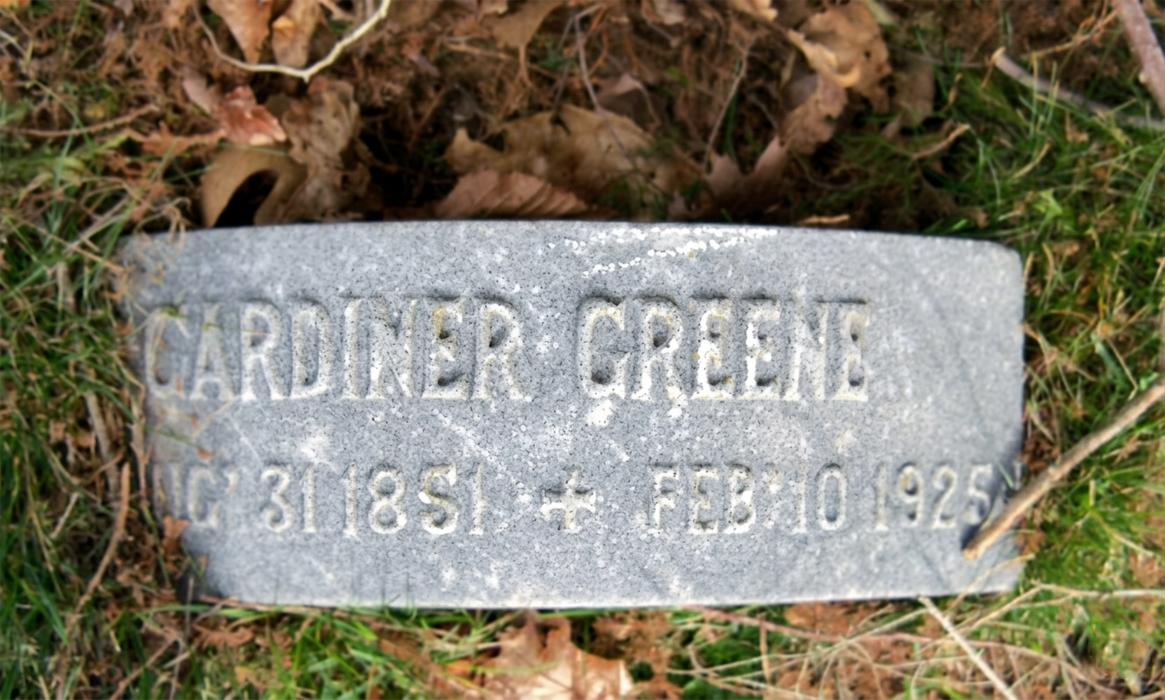
Church life and work were important parts of Gardiner Greene’s activities, for he was a prominent member of the Christ Episcopal Church and was active not only in parish affairs in Norwich but also in broader diocesan interests. For many years, he served as a delegate to the church’s Diocesan Convention. He also served as a vestryman (a lay leader and legal trustee who partners with the rector to oversee church business) at Norwich’s Christ Episcopal Church.
The only fraternal tie Mr. Greene maintained was his membership in the Wolf’s Head Society of Yale University. His time was so thoroughly absorbed by professional, ecclesiastical, civic, and home interests that he never saw fit to affiliate with Masonic or other orders.
Mr. Greene was married to Louise Eustis Reynolds Greene, whom he married on April 4, 1894. They lived at 3 Sachem Terrace, Norwich.
References
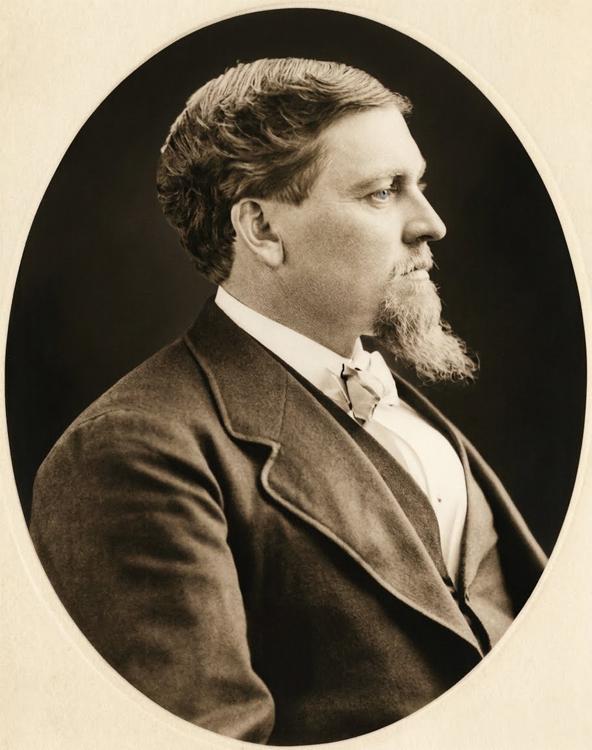
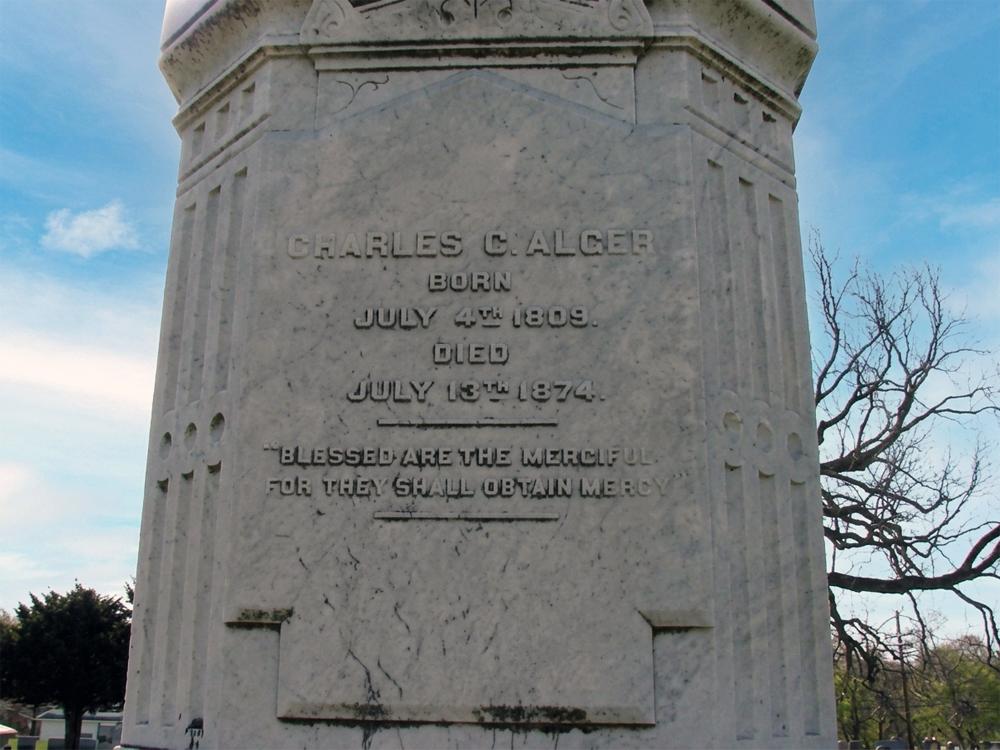
Charles C. Alger was born in Monroe, New York, and married Sarah Palmer in Manhattan, New York, in 1831. Charles Alger became wealthy in the pig iron business first at Stockbridge, Massachusetts, and later at Hudson, New York. He held at least two patents for blast furnaces. Around 1850, Charles went to Hudson, New York, and started the Hudson Iron Company. He had about $25,000 of the $75,000 start-up capital needed for the business. He soon acquired partners to make up the rest of the team.
Charles personally designed the iron works, which began operation in 1851. The iron works returned about 40% per year and was considered the third most profitable iron works in the country at that time. Charles Alger was the general manager at the Hudson Iron Company until 1864, when he retired. In the 1850 census, Charles Alger had a net worth of approximately $25,000. Ten years later, in 1860, his worth was listed at $250,000.
Charles had a skilled manager who took over the day-to-day operations of the works, which allowed Charles to come and go as he pleased. In 1861, his first marriage failed, and after 37 years, Charles and Sarah divorced in New Haven, CT. In the late 1860s, C.C. Alger formed a partnership to establish an ironworks in Cold Spring, New York.
When the operation was up and running, his partners made him president of the Cold Spring Iron Company. In 1869, Mr. C. C. Alger was married to Marie Louise Molt. They had a daughter, Lucile Alger, born October 10, 1870, at Norwich, CT. Marie was 27 years younger than Charles.
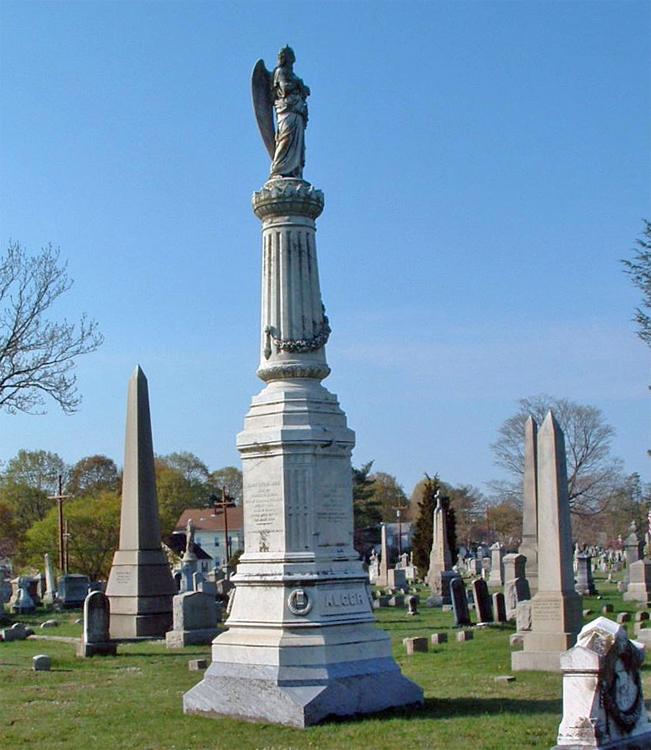
Charles died in New London in 1874, and his wife and daughter inherited all of his considerable wealth, including his valuable art collection and the jewelry C.C. Alger had purchased for his second wife.
Following her mother’s death, Lucile eventually settled in Great Neck, Long Island, where she hired an architect to build an estate house on a large parcel of land. In 1910, the estate was known as the estate of Miss Alger and Miss Grace.
Miss Grace was Louise Nathalie Grace, daughter of William Russell Grace, a famous financier and two-time mayor of New York City. Lucile died on Christmas Eve in 1936 and left her wealth to Miss Grace. Miss Grace died in 1954.
References