In his own words, Henry Harland was a Norwich native, and his heart and heritage were deeply rooted in the town. His grandfather, Thomas Harland, was a prominent Norwich clockmaker, and his uncle, General Edward Harland, another Norwich native, commanded a brigade at the Civil War battle at Antietam. His mother, Abby Leffingwell Hyde, was a descendant of one of the original proprietors, Lt. Thomas Leffingwell. The Harland homestead in Norwich had been in the family’s uninterrupted possession since 1659, a testament to their enduring connection to the region.
Though his education took him to Rome, Paris, and eventually Harvard to study theology, Harland never severed his ties with his ancestral home. Throughout his life and career, he maintained a residence in Norwich, a place he affectionately described as “the most charming place on the map”. He took great pride in the town’s history, pointing to the high number of distinguished men it produced in the fields of letters and public life as a justification for its unique charm.
Although some sources report that he was born in Russia, and others that he was a native of Manhattan, it is believed that he was a Norwich native primarily because he personally said it.
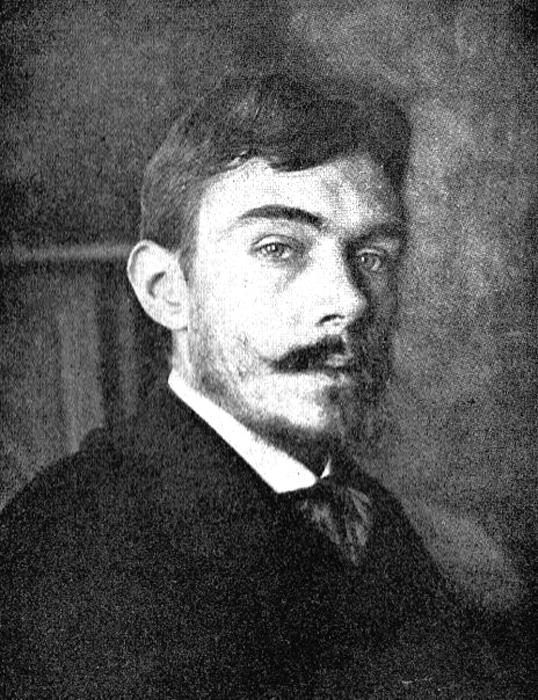
Henry Harland at age 28
Harland’s literary journey began in New York, where he worked at the Surrogate’s Courthouse Office by day and rose at four in the morning to write by candlelight. During this period, he wrote a series of successful novels under the pseudonym “Sidney Luska,” focusing on the lives of Jewish characters with such detail that many assumed he was Jewish himself. However, as he matured into a “fastidious stylist,” he later wished to distance himself from these early works, seeking a more refined form of expression.
In the late 1880s, Harland moved to London, where he became a central figure in the literary avant-garde. He reached the height of his influence as the editor of The Yellow Book, a daring and controversial quarterly that featured the work of contemporary lions like Aubrey Beardsley. Under Harland’s guidance, the publication became a symbol of the aesthetic movement, though his failing health eventually forced its end in 1897.
Despite his success in the bustling literary circles of London and Paris, Harland’s thoughts often returned to the quiet hills of Connecticut. A few years before his death, he returned to Norwich to make extensive improvements to his home at Sentry Hill. (Sentry Hill is across the street from today’s Backus Hospital, adjacent to Harland Road). This residence served as a personal sanctuary where he hosted many friends and reaffirmed his bond with the community that had shaped his family for centuries.
In 1897, Harland and his wife, Irene Elizabeth Jones Harland, were received into the Catholic Church, an event that profoundly influenced the final chapter of his writing career. His most famous work, published in 1900, The Cardinal’s Snuff-Box, was an instantaneous success that earned him $75,000 ($3 million in 2026 dollars) and was celebrated for its delicate workmanship and buoyant spirit. The novel was so steeped in the beauty of his new faith that it was credited with inspiring several readers to convert.
At thirty, his physician gave him two years to live, but he prolonged them to fourteen most fruitful ones.
Harland’s final years were a battle against consumption, yet he remained “whimsically joyous” throughout his struggle. Though a physician had once given him only two years to live at the age of thirty, he defied the odds to enjoy fourteen more fruitful years. He continued to write until the very end, with his final novel, The Royal End, remaining incomplete at the time of his passing.
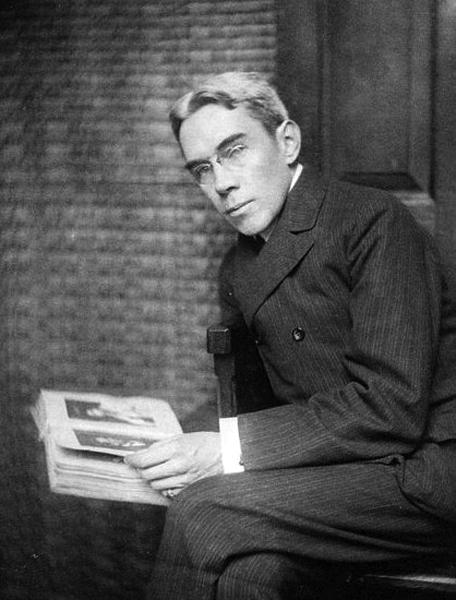
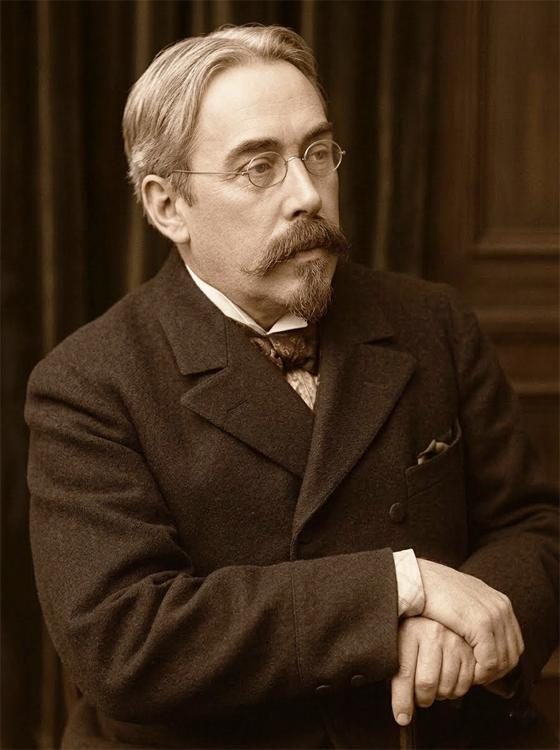
He is shown here during the later years of his life.
He died suddenly in San Remo, Italy, on December 20, 1905, at the age of forty-four. He had traveled to the Italian Riviera in hopes that the climate would benefit his failing health, but he succumbed to his illness shortly after arriving. His last visit to America had occurred only a year prior, allowing him one final look at the country and town he held dear.
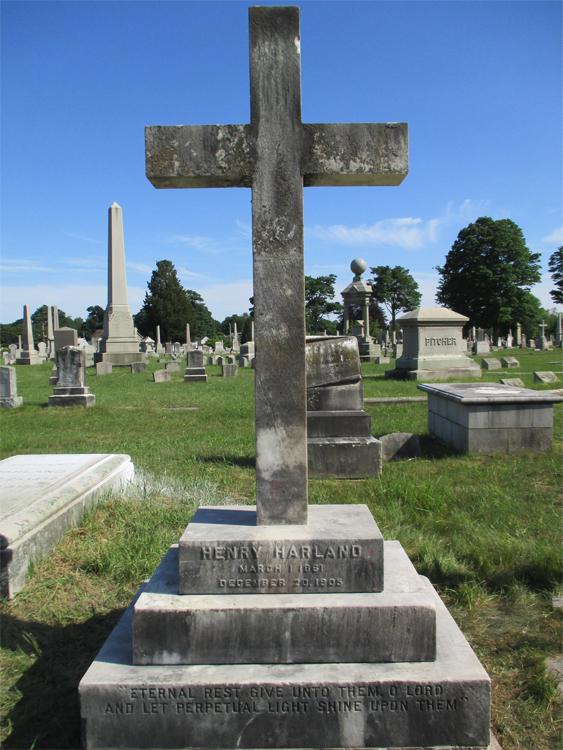
Even in death, Harland returned to the place that defined his lineage. He was brought back to Norwich and buried near his ancestors in consecrated ground. His grave was marked with a Roman cross, symbolizing his faith, and was situated within sight of the Harland family home, built before the American Revolution in 1776.
Henry Harland is remembered today as a “forerunner of Proust” and a master of style who bridged the gap between American and European literature. While his life was spent in the great capitals of the world, his identity remained tethered to Norwich, where his legacy is preserved alongside the generations of Harlands who came before him.
Harland was often characterized as whimsically joyous, a “boy who never grew up.”
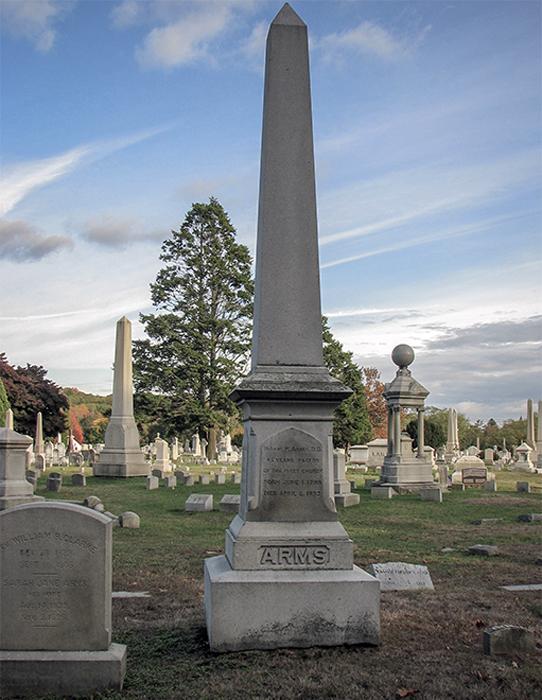
He is buried in Yantic Cemetery Section 98, plot 8.
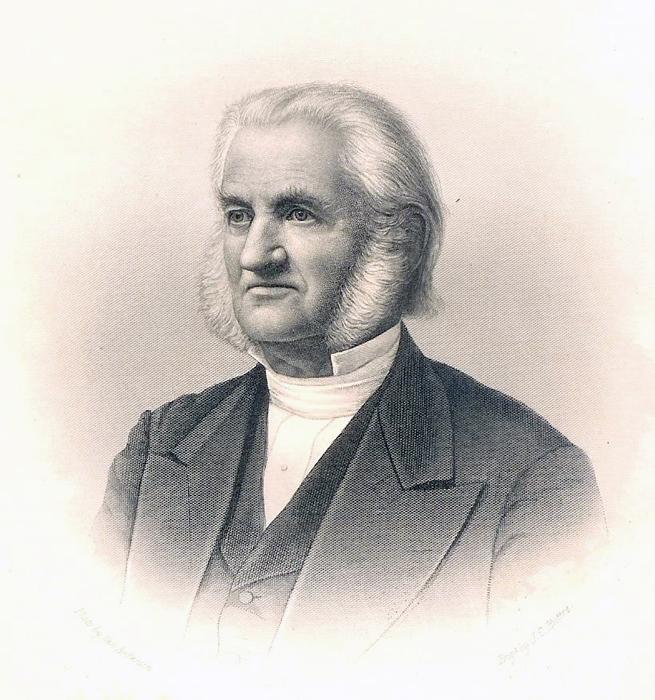
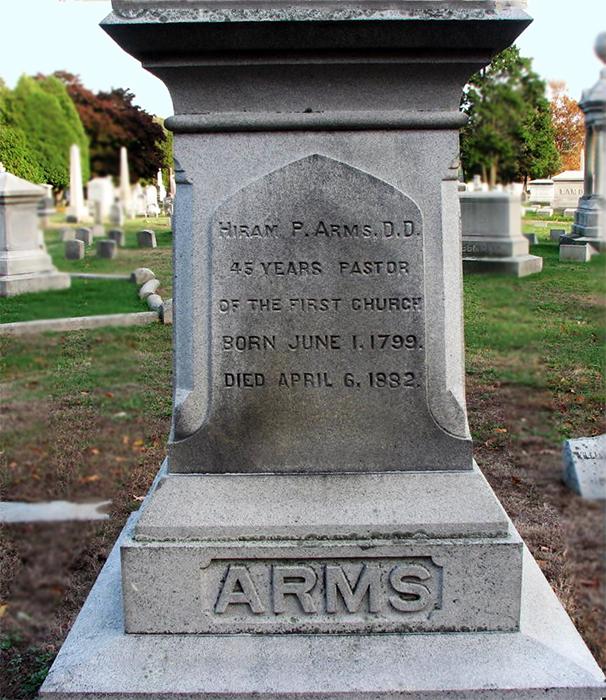
Hiram Phelps Arms was born in Windsor, CT, in 1799. He graduated from Yale College of Divinity with a PhD in 1824 and was settled in the ministry at Hebron and later at Wolcottville, CT.
In August of 1836, he was invited to preach at the First Congregational Church in Norwichtown by Senator John T. Wait. Following his sermon, the church members, numbering around 200, voted to install Rev. Hiram Arms as their new pastor. Since the church’s inception, he was the congregation’s sixth pastor. He served in that capacity from 1836 to 1873, a period of 57 years.
Rev. Arms was a strong believer in equality for all and an outspoken abolitionist, often reflected in his sermons. He was invited to officiate at the funeral of Aaron Dwight Stevens following his execution. Stevens fought with John Brown at Harpers Ferry and, following his capture, was hanged for treason. Aaron Stevens’ father was the church’s choirmaster.
Reverend Arms was first married to Lucy Ann Wadhams. She bore him four sons, but died at the young age of 29. She is buried with Rev. Arms in Yantic Cemetery.
A year after her death, Rev. Arms married Abby Jane Baker Arms, who is also buried in Yantic Cemetery.
Rev. Arms retired in 1873 at age 74 but remained pastor emeritus in Norwichtown until his death in 1882 at age 82.
During the Civil War, three of the Arms boys fought for the North. Col. Charles J. Arms, Frank T. Arms, and Theodore Arms. A fourth son, Col. George H. Arms, fought for the Confederacy.
*Place your cursor over the photos to magnify
Col. George Arms married Henrietta McKay. She was a native of Kentucky, although both her parents were Virginians of old and well-known families.
Colonel George Arms was a skilled engineer and gained the nickname “bridge builder.” Following the Civil War, George suffered from post-traumatic stress disorder and died soon after in 1878. Upon his death, his wife, Henrietta, was obliged to support herself. As a nurse, she became intimately associated with Harriet Beecher Stowe (author of Uncle Tom’s Cabin) and, as nurse, companion, and closest friend, continued with her until her death in West Hartford, April 12, 1900.